Presentation options available at the 3rd ICMBB:

TRANSDISCIPLINARY INNOVATION: ADVANCING SCIENCE THROUGH RESPONSIBLE USE OF AI FOR HUMAN AND PLANETARY WELL-BEING

Keynote Speakers
Professor Richard Bayliss is a Professor of Molecular Medicine in the Faculty of Biological Sciences at the University of Leeds and the former Head of the School of Molecular and Cellular Biology (2018–2019). Utilizing interdisciplinary approaches such as structural biology and biophysics, his award-winning research—recognized by honors including the Royal Society University Research Fellowship and the Frank May Award—focuses on the molecular mechanisms of cellular functions and human diseases. His pioneering achievements include determining the first crystal structures of nuclear transport factors bound to FG-repeats and solving the first structures of EML family proteins, which revealed how distinct EML4-ALK fusion variants drive certain lung cancers. Furthermore, Professor Bayliss has resolved the regulatory mechanisms of key kinases like Aurora-A, NEK7, and IRE1, comprehensively mapped the molecular interactions within the clathrin–TACC3–ch-TOG mitotic spindle complex, and directly enabled the development of novel small-molecule inhibitors targeting four frequently dysregulated kinases, significantly advancing structure-based drug design.
PROF. DR. RICHARD BAYLISS
Faculty of Biological Sciences
University of Leeds
United Kingdom

PROF. TS. DR. NURFADHLINA BT MOHD SHAREF
Faculty of Computer Science and Information Technology
Universiti Putra Malaysia (UPM)
Malaysia

Professor Ts. Dr. Nurfadhlina Mohd Sharef is a distinguished researcher in Artificial Intelligence, Machine Learning, and Data Science, holding a PhD from the University of Bristol, an MSc from Universiti Putra Malaysia, and a B.IT from Universiti Kebangsaan Malaysia. With a robust academic impact highlighted by over 1,600 Google Scholar citations and a Scopus h-index of 15, her primary research applies cutting-edge technologies like Intelligent Systems, Digital Twins, and Text Mining to specialized domains such as Agriculture AI, Precision Biodiversity, and e-learning. Beyond her scientific contributions, Professor Nurfadhlina is a dedicated advocate for women in STEM, having led the "Back To Work Better" post-COVID career support initiative sponsored by the National Science and Technology Development Agency of Thailand. She actively champions female empowerment in academia by authoring literature such as Women Who Lead and Srikandi PhD, and by organizing impactful mentorship platforms, including webinars with the British Council and dedicated support groups for postgraduate women.
PROF. DR. CHAWALIT NGAMCHARUSSRIVICHAI
Department of Chemical Technology,
Faculty of Science,
Chulalongkorn University,
Thailand

Prof. Chawalit Ngamcharussrivichai was born in Bangkok, Thailand, in 1976. He received his BS in Chemical Engineering (2nd Class Honors) from Chulalongkorn University in 1999. His MS and Ph.D. in Applied Chemistry were earned at The University of Tokyo in 2002 and 2006, respectively, under supervision of Professor Takashi Tatsumi. He started working as a lecturer at Department of Chemical Technology, Faculty of Science, Chulalongkorn University in 2006. He became a Professor in Chemical Engineering in 2018. Presently, he is a member of The Engineering Institute of Thailand under H.M. The King’s Patronage. He is also the Director at the Center of Excellence in Bioenergy and Renewable Chemicals (CBRC), Faculty of Science, Chulalongkorn University. He has been ranked as World’s Top 2% Most-cited Scientists in the field of Energy based on Single Recent Year in 2022–2024 by Standford University. His research interests include the synthesis and functionalization of metal oxides, layered materials, microporous and mesoporous materials, and their applications in field of catalysis and adsorption for bioenergy and bio-chemicals. He has authored 143 original research papers and review articles, 6 book chapters (in English), and 2 textbooks (in Thai), and filed 8 patents.
Plenary Speakers
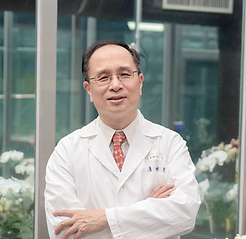
Professor Ming-Tsair Chan leads pioneering research in plant science and agricultural biotechnology, addressing critical areas such as plant stress signal transduction, gene regulation, functional genomics, and plant-microbe interactions via volatile organic compounds (VOCs). His work aims to unravel how plants respond to environmental stress and communicate with microbial communities, offering solutions for enhancing crop resilience, sustainable farming, and ecological balance. In functional genomics, Professor Chan deciphers plant gene functions to modify traits that tackle challenges like climate change and boost agricultural productivity. By identifying specific genes involved in development and stress responses, his research enables genetic modifications to improve crop yields and resilience against environmental challenges. Additionally, his study of VOC-mediated communication between plants and microorganisms presents groundbreaking opportunities in agricultural biotechnology. This research explores how plants signal and interact with microbes, potentially leading to innovative methods for natural pest control and improved plant health. Professor Chan's cutting-edge work lays a vital foundation for advancing plant science and sustainable agriculture. His research not only enhances our understanding of plant biology but also offers transformative solutions to pressing global agricultural and environmental issues, paving the way for a more sustainable future.
PROF. DR. CHAN MING-TSAIR
Biotechnology Center
Academia SInica
Taiwan
Professor Nadia Oulahal is a Full Professor in Food Microbiology and Biochemistry at Université Lyon 1 (France). She is affiliated with the BioDyMIA Research Unit (Bioengineering and Microbial Dynamics at Food Interfaces), where she coordinates research in microbiology focused on innovative food biopreservation systems. With a multidisciplinary expertise at the interface of microbiology, biochemistry and food engineering, Professor Oulahal’s research focuses on the control of undesirable microorganisms in food systems, the use of natural biomolecules and lactic acid bacteria for food preservation, and the study of microbial biofilms and hygiene in food processing environments. Her work contributes to the development of safer, more sustainable and environmentally friendly strategies for food preservation. Professor Oulahal has co-authored over 80 articles in international scientific peer-reviewed, along with books and book chapters in food science and microbiology. Her research on antimicrobial plant phenolics is internationally recognized and widely cited, highlighting their potential as natural alternatives to conventional food preservatives. She has been actively involved in 22 collaborative research projects and has supervised or co-supervised 25 PhD candidates and international researchers, contributing significantly to the training of the next generation of scientists. Her academic commitment also includes teaching in food microbiology, food chemistry, and industrial microbiology at undergraduate and postgraduate levels in the Department of Biological Engineering of IUT Lyon 1. Professor Oulahal plays a key role in the scientific community. She contributes to the evaluation of numerous national and international research projects. She is also Editor-in-Chief of the Food Science and Technology collection (Lavoisier) and serves on the editorial boards of several international journals. Her contributions have significantly advanced the understanding of microbial interactions in food systems and the development of innovative, natural preservation strategies, supporting the transition towards more sustainable food systems aligned with global health and environmental challenges.
PROF. DR. NADIA OULAHAL
Dept of Biological Engineering Food and Biological Industries,
Claude Bernard University Lyon 1
France

Professor Matt Loose is a developmental biologist whose work focuses on gene regulatory networks in vertebrate development. Beginning with studies in Xenopus and axolotl embryos, he combined experimental and computational approaches, developing models to predict gene network behaviour. His 2014 Science paper revealed accelerated sequence evolution in species using germ plasm, highlighting key differences in embryogenesis. To address the lack of an axolotl reference genome, he built transcriptomic resources and expanded into bioinformatics across diverse organisms. Recognising the need for new tools to analyse large genomes, Loose pioneered long-read nanopore sequencing methods. He introduced “Read Until” (Nature Methods, 2016), enabling real-time selective sequencing, followed by major advances in adaptive genomics with Oxford Nanopore Technologies. His team developed Readfish (2021) and BOSS-RUNS (2023), allowing targeted, optimised sequencing. More recently, he applied these technologies to precision medicine, creating ROBIN—an ultra-fast pipeline for classifying brain tumours during surgery, achieving accurate results within an hour. As Director of DeepSeq and a national genomics leader, Loose also contributed extensively to COVID-19 surveillance, helping generate over 20,000 viral genomes.
PROF. DR. MATTHEW LOOSE
School of Life Sciences
University of Nottingham
United Kingdom

Professor Ling graduated from the Universiti Putra Malaysia with a Degree in Biotechnology and stayed on to undertake Master Environmental Engineering study. He then completed a PhD at the University of Birmingham, UK with Prof Andrew Lyddiatt looking into development of cost-effective proteins downstream processing techniques. Following graduation in 2002, Tau Chuan joined the Universiti Putra Malaysia as a lecturer. Since joining the Universiti Malaya, Tau Chuan has established an internationally recognised research activity in proteins downstream processing and bioprocess engineering, funded by Government of Malaysia and industries. Tau Chuan is a Fellow of the Institution of Chemical Engineers and a Chartered Engineer. He is listed in the UM Researchers Top 2% Scientists by Stanford University and was awarded the Young Asian Biotechnologist Prize 2017 from The Society for Biotechnology, Japan. He has served as a visiting professor for several universities including Nanjing Agricultural University, Tsinghua University, Xiamen University, Lund University, National Cheng Kung University, Canterbury University and Kobe University. Tau Chuan’s expertise is in bio-separation technology and bioprocess intensification. He is internationally recognised for innovative work on the development of new and/or improved bioprocess separation and analytical techniques. He is especially well known for his work on primary capture technology, notably for inventing the technique known as aqueous two-phase systems and continuing the advancement of this and other separation techniques for large-scale application in the biopharmaceutical and nutraceutical sectors, and for his contributions to the advancement of adsorbent design and Fluidised Bed Adsorption technology. His current research mainly focuses on bio-separation, bioprocessing, green chemistry, and bioprospecting of microorganisms for useful biomolecules.
PROF. DR. LING TAU CHUAN
Institute of Biological Sciences
Faculty of Science
University Malaya
Malaysia

Prof. Dr. Lionel obtained his PhD and completed his post-doctoral fellowship at University of Malaya (UM), specializing in the field of molecular oncology and cancer immunology. With more than 12 years of teaching experience at both undergraduate and postgraduate levels, his career as an academic began in 2013 when he joined UCSI University as a lecturer. He then served as the Head of Department for Research & Postgraduate Studies, and subsequently as the Deputy Dean where he established the faculty’s Forensic Science and PhD degree programmes. In 2019, he received his Professional Technologist title from the Malaysian Board of Technologist (MBOT), was appointed as the Dean for the Faculty of Applied Sciences, and is currently the Deputy-Director at the International Institute of Science Diplomacy and Sustainability (IISDS). Being an active researcher, Prof. Dr. Lionel specializes in the area of cancer immunotherapeutics, and in 2015, he established the Cancer Immunotherapy Research Group (CIRG). In 2017, he was awarded the US InnoCentive Premium Challenge Award for the Delivery of Biomolecules through the Gastrointestinal Tract and is currently also appointed as a Research Fellow at the Malaysia Genome and Vaccine Institute (MGVI), National Institutes of Biotechnology Malaysia (NIBM), Ministry of Science, Technology & Innovation (MOSTI). In 2024 and 2025, he received the Latihan Program Vaksin (LPV) award under MOSTI in the field of mRNA vaccines and was attached to both Monash University in Clayton and University of New South Wales, Sydney, Australia. He is also a recipient of the Indonesia-Malaysia Grand Challenge (IMGC) grant on personalized mRNA cancer vaccines. Prof. Dr. Lionel has actively published over 62 research articles, reviews and book chapters with a h-index of 22 and has also successfully secured several government and industry research grants and consultancies amounting to approximately RM3.1 million. He currently holds 5 patents involving cancer therapeutics and vaccines.
PROF. LIONEL IN LIAN AUN
Department of Biotechnology
Faculty of Applied Sciences
UCSI University
Malaysia

Lim Seng Joe, an Associate Professor at the Department of Food Sciences, Faculty of Science and Technology, Universiti Kebangsaan Malaysia (UKM), is a Registered Food Analyst (MJMM001103) and Professional Technologist (PT22120413). His expertise lies in functional food & ingredients, and food analysis & chemistry. Holding a B.Sc.(2010) and Ph.D.(2014) from UKM, he began as a Lecturer in 2013, advancing to Senior Lecturer (2015) and Associate Professor (2021). Currently, he leads the Centre of Excellence-Innovation Centre for Confectionery Technology (MANIS) and serves as Editor for Sains Malaysiana. He received the Erasmus Mundus Project ALFABET Award (2015) and ASEA-UNINET Projects (2020 & 2023), which funded three postdoctoral attachments at the University of Natural Resources and Life Sciences (BOKU), Vienna, Austria. He was invited as Visiting Professor at Prince of Songkla University, Thailand (2019), Gifu University (2022), and recently appointed Adjunct Professor at Universitas Airlangga, Indonesia (2024-2026). Recognised as a Top 1% Peer Reviewer in 2019 by Publons, Dr Lim actively participates in national committees, Life Member of the Malaysian Institute of Food Technology (MIFT), Young Scientist Network-Academy of Sciences Malaysia (YSN-ASM), National Food Analyst Council and the National Codex Committee (JCK). He has received accolades including the National Young Scientist Award (2024), MyRA Excellence Award (Innovation) (2019,2022), Commercialisation Award FST, UKM (2019,2020), and various competition wins related to research and innovation, including the K-novasi P&P UKM (2017,2019,2020) and The Crown Prince CIPTA Award (2021&2023). Dr Lim has successfully commercialised his intellectual properties through Technology Licensing Agreements, with his research on edible bird`s nest recently recognised by UKM as a "Blockbuster Project”
ASSOC. PROF. TS. DR. LIM SENG JOE
Department of Food Sciences
Faculty of Science and Technology
Universiti Kebangsaan Malaysia (UKM)
Malaysia

Dr. Manraj Singh Cheema is a Senior Lecturer in Molecular Toxicology at the Faculty of Medicine and Health Sciences, Universiti Putra Malaysia (UPM), and a recipient of Malaysia’s highest teaching recognition, the 2025 National Academic Award (Anugerah Akademik Negara, AAN) in the Health Sciences category. His work bridges molecular toxicology, health sciences education, and digital transformation, with a particular focus on the responsible integration of artificial intelligence in teaching and learning. Internationally recognised for his innovative pedagogy, Dr. Cheema has pioneered AI-enhanced and gamified learning ecosystems, including the award-winning framework, designed to improve higher-order thinking, decision-making, and learner engagement in complex scientific domains. He is an active member and contributor to national and regional initiatives through the Young Scientists Network – Academy of Sciences Malaysia (YSN-ASM), where he advances agendas on research integrity, ethical AI use, and capacity building for future-ready scientists. His current work aligns closely with planetary health and sustainable education, advocating for the development of graduates who are not only digitally proficient but also ethically responsible and socially accountable. As a speaker and educator, he champions a shift towards transformative learning design that prepares learners to navigate complex global challenges.
DR. MANRAJ SINGH CHEEMA
Department of Biomedical Science
Faculty of Medicine and Health Sciences Universiti Putra Malaysia (UPM)
Malaysia

Invited Speakers
ASSOC. PROF. DR. RACHEL EE PUI LAI
Department of Pharmacy
National University of Singapore,
Singapore

Associate Professor Rachel Ee joined NUS in 2006 after receiving her PhD (Pharmaceutics) at the University of Illinois at Chicago and a stint as a drug discovery scientist in ProSkelia S.A.S (Sanofi-Aventis spin-off) in Paris. Her research interest is in uncovering novel peptide-based therapeutics and hydrogel formulations to solve current issues in infections and wound healing. She is particularly interested in studying the interactions between synthetic (bio)molecules and biological surfaces and manipulating the formulations for efficient human application. Her work has been featured in scientific journals such as Nature Biomedical Engineering, Angewandte Chemie, ACS Nano, Biomaterials and PNAS. Within NUS, Rachel wears multiple hats - she has served as Deputy Head (Research) and Director of the Pharmaceutical Science Programme in the Department of Pharmacy and serves on a number of review panels for promotion and tenure. Rachel has received several international awards, including the DAAD Fellowship for research in Germany and the Banco Santander/UCLA W30 Program for developing women leaders in University administration and the Asian Universities Alliance Fellowship. Her most important role is being a parent to 3 lively children of diverse traits/talents.
ASSOC. PROF. DR. NIK FADZLY BIN NIK ROSELY
School of Biological Sciences
University Sains Malaysia (USM)
Malaysia

Assoc. Prof. Dr. Nik Fadzly is a lecturer and researcher at the School of Biological Sciences, Universiti Sains Malaysia, whose work integrates ecology, animal biology, and emerging technologies. His research is distinguished by a strongly interdisciplinary approach that bridges biological sciences with artificial intelligence, machine learning, the Internet of Things, and sensor-based field systems. He has developed a research profile centered on applying technological innovation to ecological and conservation challenges, particularly in the study of plant-animal interactions, wildlife monitoring, and animal behaviour.
A significant component of his work focuses on conservation ecology and on developing technology-assisted methods for studying wildlife in natural environments. His research includes sea turtle ecology, avian studies, and automated wildlife detection systems. He has also contributed to the design of field-deployable monitoring tools using microcontrollers, biosensors, telemetry systems, and edge AI platforms to improve ecological data collection and interpretation. This combination of field ecology and technological innovation reflects his broader interest in producing practical tools for research, monitoring, and conservation management.
ASSOC. PROF. DR. MOHAMMAD FAZRIL RAZIF
Department of Molecular Medicine
Faculty of Medicine
University Malaya (UM)
Malaysia

Assoc. Prof. Dr. Muhammad Fazril Mohamad Razif is an academic at the Department of Molecular Medicine, Faculty of Medicine, Universiti Malaya. He obtained his PhD from the University of Western Australia, focusing on RNA-binding proteins, after completing dual undergraduate degrees in Biomedical Science/Molecular Biology and Forensic Biology and Toxicology at Murdoch University, Australia. His research spans molecular biology, genomics, transcriptomics, and proteomics, with particular emphasis on medicinal mushrooms and their bioactive compounds. His work integrates multi-omics approaches to investigate disease mechanisms and therapeutic potential, including applications in cancer, metabolic disorders, and infectious diseases. Dr. Fazril has led and contributed to multiple research grants and has published widely in peer-reviewed journals and book chapters. He is actively involved in postgraduate supervision and curriculum development, and serves on editorial boards and scientific committees. His contributions to research and academia have earned him several recognitions, including institutional excellence awards and national-level nominations.
ASSOC. PROF. DR. SITI SARAH OTHMAN
Department of Cell & Molecular Biology,
Faculty of Biotechnology & Biomolecular Sciences,
Universiti Putra Malaysia,
Malaysia

Dr. Siti Sarah Othman is an Associate Professor at the Department of Cell and Molecular Biology, Faculty of Biotechnology and Biomolecular Sciences, Universiti Putra Malaysia. She obtained her PhD from the University of Glasgow, UK (Infection and Immunity) in 2011. In the same year, she received a Wellcome Trust Translational Award to continue as a post-doctoral research scientist at the Moredun Research Institute, Edinburgh, Scotland. Her research interest is in veterinary vaccine delivery, host-pathogen interaction & bactofection, cancer immunotherapy and infection & immunity. She has authored and co-authored numerous national and international publications and was elected as an editor and reviewer for reputed professional journals, and serves as a curriculum reviewer in her field for other public universities. She holds several Intellectual Property rights from her research, with one of them licensed by a local industry. She has secured more than RM4 million in national, international and industrial grants and currently serves as the UKRI-AMR Project as Malaysia Lead Researcher. Her contribution to industry-linked research was further recognized through a Faculty Highest Impact Rating on Industrial Research Project award for industrial collaboration. She is currently the Vice President of the Malaysian Society for Molecular Biology and Biotechnology (MSMBB) and Chairperson of the 9th International Conference on Molecular Biology and Biotechnology (ICMBB 2026), and was previously the Interim Secretary General and Honorary Treasurer of the Young Scientist Network-Academy of Sciences Malaysia (YSN-ASM). Her effort in STEM was recognised when she chaired a pioneering STEM exploration programme, Kembara Sains Borneo 2023 Siri 1, with YSN-ASM, KSTI Sabah, Pusat Sains Negara and Petrosains in the rural areas of Sabah. Endorsed by MOSTI, the programme has proven successful in reawakening STEM to enhance sustainability in the nation's future STEM talents and has been held annually since its inception. Building on this collaboration, she now serves as a Consultant for Petrosains' Facilitator Certification Module, and has been invited as an Innovation & Excellence Evaluator for UKM in colaboration with MRANTI. Sarah also holds the position as one of the Board of Directors for an INNOHUB UPM start-up company specialising in STEM education, EDSTEM Sdn. Bhd. Through her consultation, one of the company's flagship products received MySTI endorsement, allowing it to carry the official MySTI logo. This recognition enhances the product's credibility, secures its listing in the MySTI Inventory, and increases its visibility and potential for wider adoption in the national innovation ecosystem.
ASSOC. PROF. DR. TAN JEN KIT
Department of Biochemistry
Faculty of Medicine
Universiti Kebangsaan Malaysia (UKM)
Malaysia

Dr. Tan Jen Kit is a biochemist and multi-omics researcher at the Department of Biochemistry, Faculty of Medicine, Universiti Kebangsaan Malaysia (UKM). He obtained his PhD in Molecular Medicine from UKM and is a registered chemist (ChM) with the Malaysian Institute of Chemistry. He was a visiting researcher at the Tokyo University of Agriculture and Technology, Japan, where he advanced his expertise in lipidomics and mass spectrometry–based structural elucidation. His research focuses on mass spectrometry–based metabolomics, lipidomics, and proteomics, with applications in clinical research, natural products, food science, agriculture, and marine biotechnology. His work emphasizes the discovery of novel biomarkers, bioactive compounds, and disease mechanisms. Dr. Tan has led and collaborated on over 100 mass spectrometry–based research projects across Malaysia, Japan, and Nigeria. He is an active member of the American Society for Mass Spectrometry, the Metabolomics Society, the Human Proteome Organization, and the International Lipidomics Society, and maintains strong international scientific collaborations and networks. He currently serves as Head of the PhD Program.
DR. LOW CHEN FEI
Institute of Systems Biology
Universiti Kebangsaan Malaysia (UKM)
Malaysia

Dr. Low Chen Fei is a Senior Lecturer/Research Fellow at the Institute of Systems Biology, Universiti Kebangsaan Malaysia. He holds a Ph.D. in Molecular Biotechnology (2015), an M.Sc. in Chemical Pathology (2010), and a B.Sc. in Biomedical Sciences (2007), all earned from Universiti Putra Malaysia. His primary research expertise lies in molecular biotechnology, specifically focusing on aquaculture biosecurity, infectious fish and shrimp diseases, vaccine development, and omics technologies. His innovative work has led to multiple intellectual properties, including a granted patent for prophylactic aptamer against bacterial infection in shrimp, and several pending patents for aquaculture vaccines and viral sensors. Dr. Low’s research is widely published in top-tier scientific journals, including the Journal of Fish Diseases, Aquaculture, and Fish & Shellfish Immunology. He is highly engaged in the scientific community, serving on the Editorial Advisory Board for the Journal of Fish Diseases. Dr. Low frequently shares his industry and academic insights at major conferences, serving as an invited speaker at prominent events such as the AQUASIA International AgTech Expo (2024 and 2025) and various national biotechnology symposiums. He actively collaborates with national and international institutions, as well as industry partners, to translate his research into sustainable and disease-resilient aquaculture solutions.
MS. NABILAH BINTI MOHD NAJIB
Learning Specialist
Learning Innovation, Learning & Satellite Centre
Petrosains, The Discovery Centre
Malaysia

Nabilah M Najib is a Learning Specialist in Learning Innovation Unit at Petrosains, The Discovery Centre, with over twelve years of professional experience in science communication and informal STEM education. Her career reflects a progressive journey from hands‑on programme delivery as a Science Communicator to leading the design and development of learner‑centred, inquiry‑based STEM learning experiences aligned with national education, sustainability, and talent development agendas . Throughout her career, Nabilah has curated and delivered inclusive STEM programmes for diverse audiences, including early childhood learners, families with young children, school and university students, educators, and professional groups. She has conducted professional development seminars for teachers, led multi‑year informal STEM initiatives for under‑resourced schools, and contributed to the production of more than 100 STEM education resources spanning hands‑on activities, digital learning content, public engagement programmes, science demonstrations, interactive games, learning tools, and facilitator guides. Her areas of expertise include STEM learning design, robotics, AI literacy, sustainability education, science communication, and neurodivergent‑affirming practices. Her lifelong connection to Petrosains—first as a young visitor at the age of eleven and now as a professional—continues to shape her commitment to making science accessible, meaningful, and inspiring for all.
Special Featured Speakers
Assoc. Prof. Dr. Justin Chu Jang Hann
Department of Microbiology,
National University of Singapore,
Singapore

Associate Professor Justin Chu is currently the Assistant Dean for Academic Affairs and a tenured faculty in the Department of Microbiology and Immunology and Infectious Diseases Translational Research Programme, Yong Loo Lin School of Medicine, National University of Singapore. He is the Director of the high containment Biosafety Level 3 Facility in NUS. He is actively engaged in the study of the molecular biology of positive-sense RNA viruses of medical importance including SARS CoV-2, human enteroviruses that cause HFMD as well as mosquito-borne viruses including Dengue, Zika, Japanese Encephalitis and Chikungunya. The outcomes of these studies are helping to pave the roadmap towards the development of a number of antiviral strategies. Justin Chu has published in prestigious journals including Cell, Science, Nature Immunology, Lancet Infectious Diseases, Science Translational Medicine, Nature Communications and many more. He has served the immediate past elected President of the Asia- Pacific Society of Medical Virology and the current elected President of the Singapore Society for Microbiology and Biotechnology.
DR. TATAS BROTOSUDARMO (EURAXESS Worldwide)
International Relations and Institutional Growth Strategist,
Petra Christian University,
Indonesia.

Dr. Tatas Brotosudarmo is a renowned biochemist at Petra Christian University's Food Technology Department in Indonesia. With over two decades in research management and international relations across ASEAN, he consults stakeholders on building resilient research frameworks and strategic international collaborations. As the EURAXESS Worldwide representative for ASEAN, Dr. Brotosudarmo focuses on strengthening EUASEAN relations through interdisciplinary partnerships, particularly with Horizon Europe. He has held significant roles, including Director of a National Center of Excellence, Vice President of the Indonesian Young Academy of Sciences, and President of the Indonesian Chemical Society—positions where he has driven influential science policies and collaborations. An alumnus of the 63rd Lindau Nobel Laureate Meetings, he has received notable awards and fellowships like the 2017 Toray Science & Technology Award, the Study UK Alumni Award, the 2019 Georg Foster Research Fellowship, and the 2023 IVLP Combatting Public Health Challenges award. Dr. Brotosudarmo completed his master's in chemistry at Ludwig-Maximilian University of Munich and a doctorate in molecular and cell biology at the University of Glasgow through the Marie Curie Research Training Network. His work continues to significantly impact research and cooperation e orts in the ASEAN region and beyond.